
Why Do We Swell in the Summer?
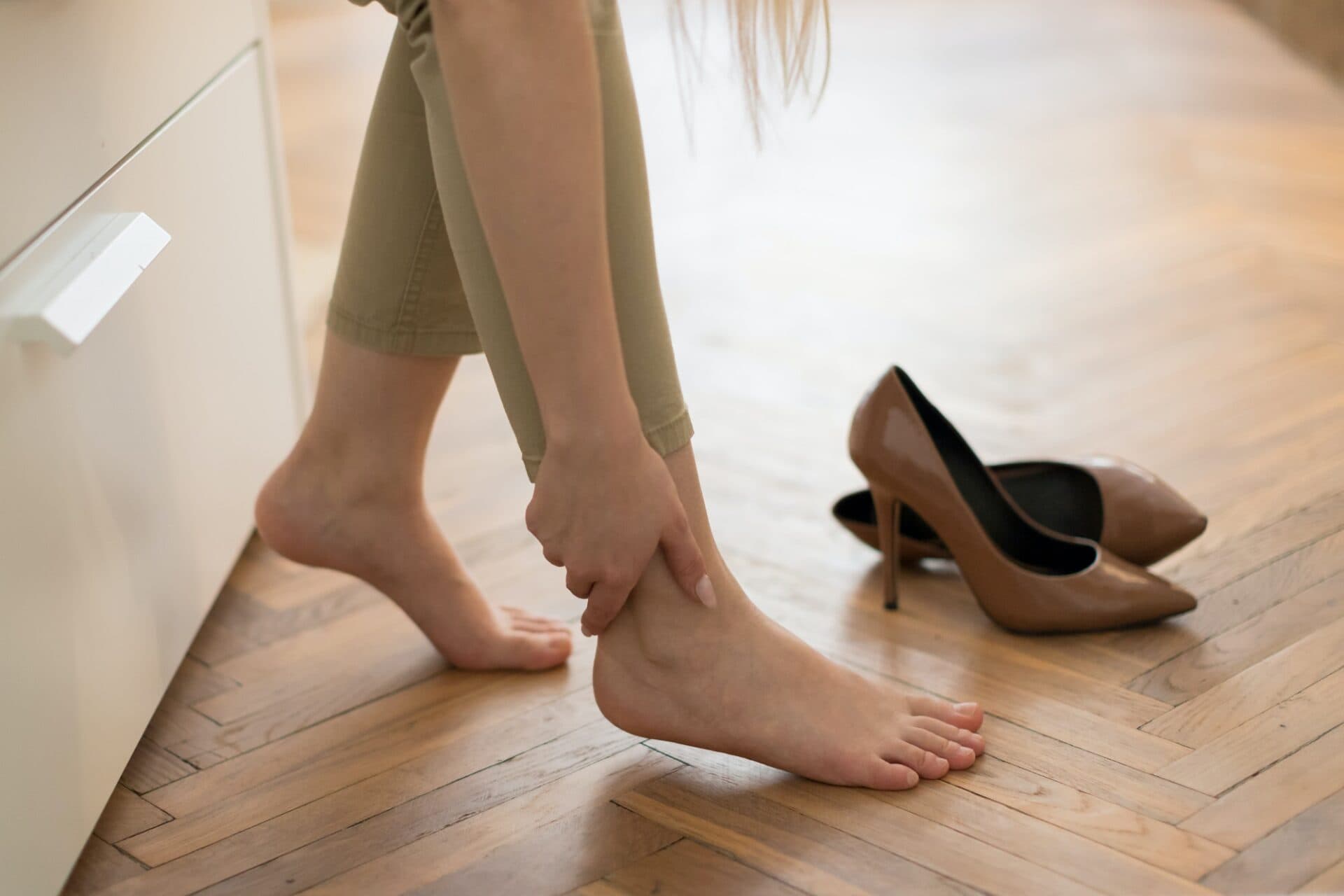
Hot stuff coming through! Temperatures are hovering around 30 degrees and the heat wave seems to go on forever. Despite the joys of summer, the bright sunshine and the late nightfall, some people, and especially women, notice a strange phenomenon on their bodies: swelling! Most often this swelling shows up in the feet, ankles and legs, but it can spread to the arms and hands. Your ankles are harder to make out, your rings seem embedded in your fingers, your legs feel heavy and your swollen feet barely fit into your sandals anymore. The feeling gets stronger as the day goes on. So why do we swell when it's hot?
The main reason is water retention
Blood flow speeds up under the effect of heat and the blood vessels dilate. Water escapes from them and seeps into the tissues, causing oedema, in other words, swelling. This reaction is a natural defence mechanism against heat. By making the surface of the skin swell, the body helps regulate its temperature. But once they have seeped into the tissues, the fluids have a hard time draining away, hence that unpleasant feeling of heaviness. We speak of water retention to describe this water trapped in the tissues. It is a benign condition, not painful but unpleasant, that affects women more than men. Our body is smart at keeping us alive, but that doesn't make it any more pleasant. However, there are solutions to reduce this discomfort.
Which plants are said to relieve heavy legs?
In fact, all plants said to be diuretic are good for eliminating the excess fluid that builds up in the body during very hot weather and creates this heaviness. The best known is dandelion, which can be taken as an herbal tea or in capsules. Dandelion has draining and decongestant properties. It helps the liver and kidneys do their detoxification work, which makes it possible to eliminate toxins and water more effectively.
Another very interesting plant is parsley. Its leaves rid the body of waste, including the uric acid behind arthritis and gout, so it detoxifies and helps circulation, and its roots treat water retention and therefore oedema.
One last plant we suggest is nettle. This plant has purifying and diuretic properties and, what's more, it mineralizes the body. Wow! And a little bonus tip: nettle is the natural ally of peaceful nights. Take it as an herbal tea and sweet dreams!

What is best to eat and drink to reduce swelling?
Here are some good habits to adopt to feel light again, even in very hot weather.
What do we eat?
Less salt! Salt promotes water retention, so we ban ready-made meals in favour of fresh foods, and we go easy on seasoning, especially so-called table salt. We eat good-quality proteins such as white meats, fish, eggs and game. The albumin protein found in meats acts to tighten the blood vessels, so they hold less water, which means less swelling. We load up on vitamins: vitamin C (citrus fruits, peppers) stimulates the production of collagen, which supports the veins, vitamin PP (red berries) fights water retention, vitamin E (nuts and oilseeds) strengthens the vein walls, and omega-3s (fatty fis

h) keep the blood vessels elastic.
What do we drink?
Water! The amount of water to drink varies from one person to another. The best way to know the amount of water suited to your needs is the colour of your urine. Yes, really! It's what will guide you ???? . The less coloured it is, without being completely clear, the better it is for your body. It means that toxins are being drained by your body and that you are drinking enough water. On average, daily water intake ranges from 1.5 to 2 litres. Of course, if you drink coffee, caffeinated soda, tea and alcohol, your water intake will need to be increased. Above all, don't give in to the common belief that to retain less water, you need to drink less water: it's quite the opposite.

More ideas, rapid-fire
- A cool shower tightens the blood vessels.
- Give your swollen limbs a draining massage. Rub the limbs firmly toward the heart to reduce the build-up of fluids.
- Get moving: walking stimulates the heart and therefore influences blood circulation, which prevents swelling.
- Stretch and elevate your swollen legs for 3 minutes every hour.